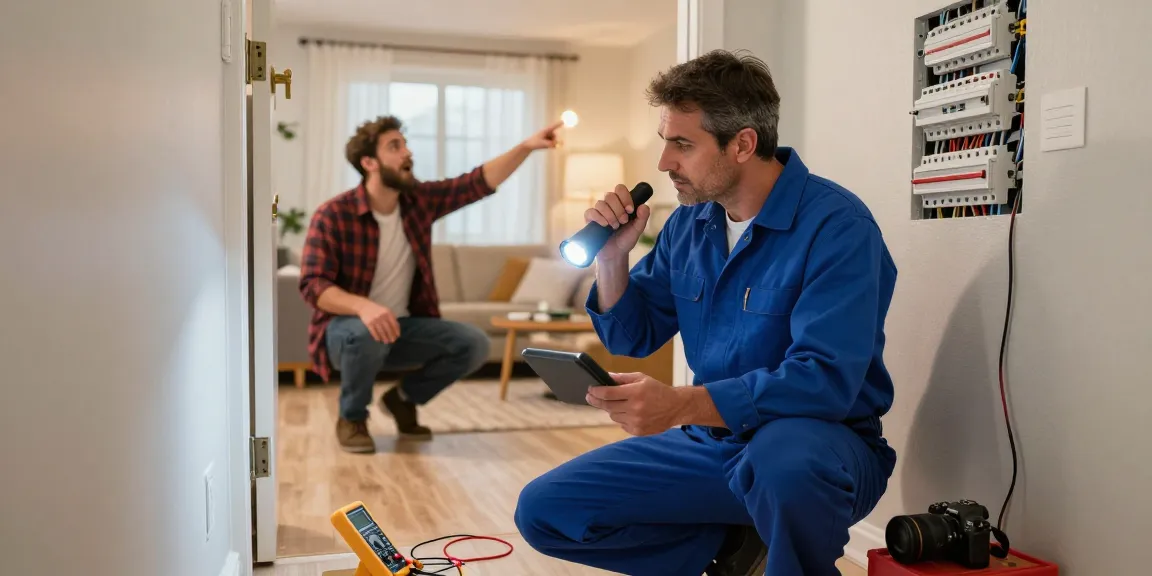
Understanding the Role of a Local Emergency Electrician
In today's fast-paced world, the reliance on electrical systems is greater than ever. When these systems fail, it can pose serious risks to safety and property. A local emergency electrician plays a critical role in ensuring that your home or business remains safe and fully functional during electrical emergencies. Understanding their responsibilities, qualifications, and the urgency of local services is essential for homeowners and business owners alike.
What Constitutes an Electrical Emergency?
An electrical emergency can be defined as any situation where electrical systems pose an immediate risk to health, safety, or property. Common scenarios include:
- Power outages affecting critical appliances.
- Flickering or dimming lights which may point to wiring issues.
- Burning smells or unusual sounds coming from outlets or appliances.
- Tripped circuit breakers that continue to trip after being reset.
- Electrical shocks when plugging in devices or touching outlets.
These issues not only disrupt daily life but can also lead to catastrophic events such as fires or electrical injuries. Recognizing these emergencies and acting promptly by contacting a local emergency electrician is crucial.
Key Skills and Qualifications
A qualified local emergency electrician must have an array of skills and certifications, including:
- Licensing: Proper licensing ensures that electricians meet local regulations and industry standards.
- Training: Technical training often includes both classroom instruction and hands-on experience in various electrical systems.
- Problem-solving abilities: Electricians often face unexpected issues, requiring quick thinking and solution-oriented approaches.
- Customer service skills: Strong communication is essential for understanding client needs and explaining complex technical information.
In addition, ongoing education in the latest electrical technologies and safety practices is vital for delivering high-quality service.
Importance of Local Services for Quick Response
Choosing a local emergency electrician ensures a swift response time, which is critical during electrical crises. Local electricians are familiar with the area, allowing them to arrive at your location promptly. Additionally, local providers are often more invested in their community, leading to a higher standard of service and accountability.
Identifying Common Electrical Issues
Electrical issues can manifest in various ways, and knowing what to look for can save homeowners significant time and money. Common problems often stem from outdated wiring, overloaded circuits, or faulty appliances.
Frequent Problems Homeowners Face
Homeowners often encounter a variety of electrical problems, including:
- Overheating devices and appliances.
- Frequent breaker trips or blown fuses.
- Loose outlets that may not hold plugs securely.
- Outdated or non-compliant electrical systems in older homes.
Being aware of these frequent issues can help homeowners take preventative measures to avoid emergencies.
Signs You Need Emergency Electrical Services
It’s crucial to know when to call for emergency electrical services. Signs that indicate an urgent need include:
- Burning odors near electrical outlets or appliances.
- Visible sparks when plugging or unplugging devices.
- Unexplained power surges.
- Frequent light flickering or dimming that occurs at unpredictable times.
Not addressing these signs promptly can lead to dangerous consequences, underscoring the importance of immediate action and professional assistance.
Preventative Maintenance Tips
Preventative maintenance can significantly reduce the risk of electrical emergencies. Key tips include:
- Regularly check and replace worn-out electrical cords.
- Schedule routine inspections by qualified electricians.
- Install surge protectors to safeguard against power surges.
- Ensure all outlets and switches are functioning correctly and are not overheating.
Taking these steps not only helps maintain electrical systems but also promotes safety and avoids expensive repairs down the line.
Emergency Response Protocols
When an electrical emergency arises, understanding the response protocols can help mitigate risks and ensure safety.
Steps an Electrician Takes During an Emergency
During an electrical emergency, a local emergency electrician follows established protocols to ensure safety and efficiency. These include:
- Assessing the situation to identify hazards and the extent of the issue.
- Providing temporary solutions to prevent further damage until repairs can be completed.
- Communicating with homeowners regarding potential risks and repair strategies.
This structured approach minimizes risks and allows for effective resolution of electrical problems.
Safety Precautions for Homeowners
Homeowners should also take specific safety precautions during an electrical emergency:
- Turn off the main power supply if safe to do so.
- Stay clear of water and avoid touching electrical devices with wet hands.
- Use flashlights instead of candles to illuminate dark areas.
These simple actions can prevent injury and safeguard property during an emergency.
Post-Emergency Follow-Up Actions
After an emergency has been managed, follow-up actions are essential to ensure long-term safety:
- Complete repairs recommended by the electrician to prevent future issues.
- Consider upgrades to electrical systems as needed.
- Maintain communication with the electrician for further inspections or consultations.
Understanding post-emergency protocols fosters a proactive approach to electrical safety.
Best Practices for Hiring a Local Emergency Electrician
Choosing the right local emergency electrician can make a significant difference in service quality. The following best practices help streamline the hiring process.
What to Look for in Credentials and Reviews
When evaluating potential electricians, consider their credentials and customer reviews:
- Verify licenses and insurance to ensure compliance with local laws.
- Look for online reviews and testimonials to gauge customer satisfaction.
- Ask for references from previous clients to gain insight into their work ethic and reliability.
A thorough vetting process helps ensure you hire a qualified professional.
Questions to Ask Before Hiring
Before making a final decision, ask potential electricians the following questions:
- What is your experience with electrical emergencies?
- How do you charge for your services (hourly, flat rate, etc.)?
- Are you available for after-hours emergencies?
These questions clarify expectations and help establish a positive working relationship.
Understanding Pricing and Estimates
Electrical work can vary significantly in price. Requesting detailed estimates is crucial:
- Ensure the estimate includes all potential costs, including labor and materials.
- Compare multiple quotes to find reasonable pricing while not compromising quality.
- Inquire about warranty or guarantee on work performed.
This ensures transparency and prevents surprises when it comes to billing.
Future Trends in Electrical Services
As the electrical industry evolves, keeping up with future trends is essential for both service providers and consumers.
Technological Advances in Emergency Response
The integration of technology is enhancing emergency response capabilities:
- Smart diagnostic tools allow electricians to identify issues more efficiently.
- Remote monitoring systems can alert homeowners to potential problems before they escalate.
- Online booking systems for emergency services improve accessibility and response rates.
Staying informed about these advances can provide homeowners with peace of mind regarding their electrical systems.
Predictions for Local Electrician Service Changes in 2026
As we look toward 2026, several changes in the local electrician landscape are anticipated:
- Increased collaboration between electricians and smart home technology providers.
- A greater emphasis on sustainable practices and energy efficiency.
- Enhanced training programs focusing on emerging technologies and safety practices.
These predictions suggest that the quality and scope of electrical services will continue to improve.
The Role of Smart Home Technology in Electrical Safety
Smart home technology is becoming a critical aspect of home safety:
- Smart smoke detectors and alarms can alert homeowners to potential electrical issues.
- Home automation systems can help manage energy consumption and detect problems early.
- Integration of smart devices allows for remote monitoring and quick responses to emergencies.
Utilizing these technologies can provide homeowners with an added layer of safety and convenience.
What Makes a Local Emergency Electrician Essential in Today’s Homes?
In conclusion, the role of a local emergency electrician is vital in ensuring the safety and efficiency of electrical systems in homes today. Their quick response, expertise in handling emergencies, and continuous adaptation to new technologies enhance property safety and minimize risks. Homeowners are encouraged to develop a relationship with a trusted local electrician to enjoy peace of mind and security in their electrical systems.