Understanding Autoflower Cannabis Seeds
As the cannabis cultivation landscape continues to evolve, autoflower cannabis seeds have emerged as a game-changer for both novice and experienced growers. These seeds offer the unique ability to flower automatically without the intricate light schedules required by traditional photoperiod strains. With advancements in breeding techniques and a growing demand for faster harvests, it’s essential to understand what sets autoflower seeds apart, their benefits, and how they can fit into your growing strategy. When exploring options, autoflower cannabis seeds provide comprehensive insights into this innovative cultivation method.
What Are Autoflower Cannabis Seeds?
Autoflower cannabis seeds are the offspring of Cannabis ruderalis and are bred to flower based on age rather than light cycles. This means that regardless of the light duration they are exposed to, these plants will begin to flower after a certain period, typically within two to four weeks from germination. This characteristic makes them extremely appealing to growers looking for a straightforward and quick-growing option.
How Autoflowering Works: The Genetics Behind It
The genetics of autoflower cannabis seeds derive primarily from Cannabis ruderalis, a strain that thrives in regions with shorter growing seasons. Unlike its photoperiod counterparts, which require longer nights to initiate flowering, ruderalis can flower based solely on the plant's age. This trait has been combined with popular high-THC strains to create hybrid varieties that maintain desirable potency while adopting the autoflower characteristics.
Key Benefits of Choosing Autoflower Cannabis Seeds
- Speed: Autoflower seeds typically allow for a quicker turnaround, with many strains maturing and being ready for harvest in just 8 to 12 weeks.
- Ease of Growth: These plants require less attention to light schedules, making them ideal for beginners and busy growers alike.
- Compact Size: Autoflowers generally grow smaller than their photoperiod relatives, making them perfect for discreet setups or limited spaces.
- Versatility: They can be grown both indoors and outdoors and can finish up in shorter outdoor seasons or when starting late in the growing cycle.
Comparing Autoflower, Feminised, and Regular Seeds
Differences in Growth Requirements
When comparing autoflower seeds to feminised and regular seeds, the most significant difference lies in their growth requirements. Autoflower plants can thrive with a consistent light cycle, often requiring only 18-24 hours of light per day, while feminised and regular seeds rely heavily on photoperiods. This means growers of autoflowering varieties can avoid the complexities of light manipulation.
Yield and Potency Comparisons
While autoflowers typically produce lower yields than photoperiod plants, advancements in breeding have led to high-yielding autoflower strains that can rival feminised varieties. Potency also varies, but top-tier autoflower genetics now deliver impressive cannabinoid profiles, often reaching THC percentages comparable to photoperiod strains.
Best Practices for Each Seed Type
- Autoflower Seeds: Provide consistent light, avoid over-fertilization, and keep them in a suitable size pot to optimize their growth.
- Feminised Seeds: Ensure proper light schedules to encourage healthy flowering and maximize yields.
- Regular Seeds: Monitor for sex identification and remove male plants to prevent pollination of females.
Top Autoflower Strains for 2026
Popular Options for Beginners
Beginners looking to dive into autoflowering cannabis should consider strains like Purplematic CBD and Northern Light Auto. These strains are known for their ease of growth, fast flower times, and a balanced cannabinoid profile that is forgiving for first-time growers.
High-Yielding Strains for Experienced Growers
Experienced cultivators may want to explore strains such as Royal Gorilla Auto and Blue Dream’matic. These strains not only thrive under various conditions but also consistently produce high yields while maintaining excellent potency and flavor profiles.
Unique Traits of Emerging Autoflower Varieties
As the cannabis industry continues to grow, new autoflower varieties are emerging with unique traits, including enhanced terpene profiles, greater resistance to pests and diseases, and even higher cannabinoid contents. Strains like Zkittlez and Cherry Pie Auto are leading the charge in this aspect, offering growers exciting options for their next cultivation project.
Growing Autoflower Cannabis Seeds: A Step-by-Step Guide
Essential Equipment and Setup for Successful Growth
To ensure a successful grow with autoflower seeds, it's essential to have the right equipment. Begin with good quality soil rich in organic matter, a proper-sized pot (3-5 gallons is typical), and appropriate lighting. LED lights are highly recommended due to their energy efficiency and the spectrum they provide for robust plant growth.
Nutrient Management for Autoflower Plants
Autoflowering plants require a balanced nutrient regimen. Start with a basic nutrient mix designed for cannabis during the vegetative stage, then shift to flowering nutrients once they start to bloom. Be cautious with feeding; autoflowers are sensitive to over-fertilization, which can stunt growth and reduce yields.
Harvesting Techniques: Timing and Tips
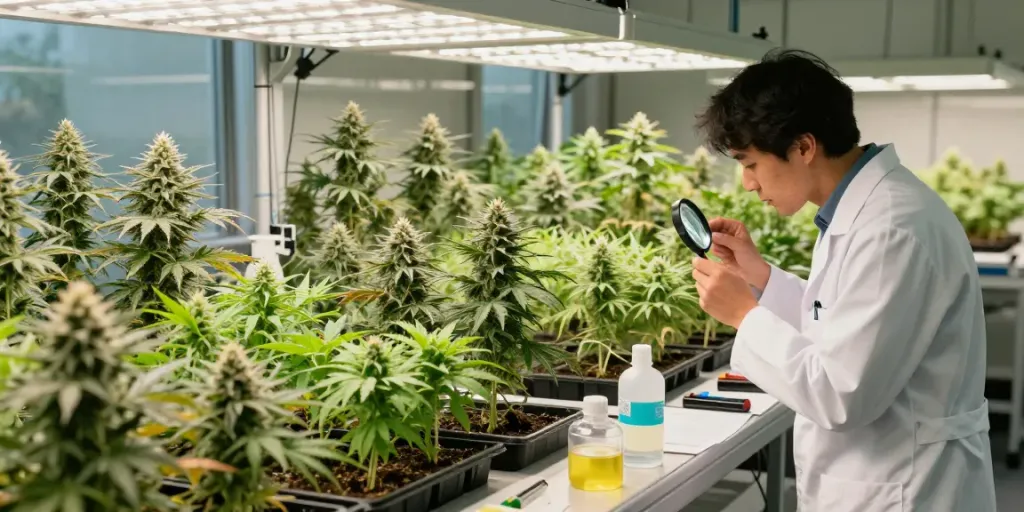
Timing your harvest is crucial. Monitor trichome development using a magnifying glass or jeweler’s loupe. For a more euphoric experience, harvest when the trichomes are mostly cloudy with some amber; for a more sedative effect, wait until more are amber. Proper drying and curing will also enhance the taste and potency of the final product.
Future Trends in Autoflower Cannabis Cultivation
Advancements in Seed Genetics and Breeding
As the market for cannabis continues to expand, advancements in genetic engineering are leading to the creation of more resilient and potent autoflower strains. Breeders are increasingly focusing on enhancing flavors, aromas, and specific cannabinoid profiles to cater to a diverse range of consumer preferences.
Environmental Sustainability in Cannabis Growing
With the rising awareness of environmental impacts, sustainable practices in cannabis cultivation are becoming crucial. Autoflower seeds are often seen as more sustainable for home growers due to their quicker life cycles and lower resource demands, promoting less energy consumption per harvest.
Legal Considerations for Home Growers in 2026
As we approach 2026, understanding the legal landscape for growing cannabis is critical. Regulations vary significantly by region, so it’s vital to check local laws regarding the cultivation of cannabis seeds, including limitations on plant counts and cultivation methods.
What are the downsides to autoflowering seeds?
While autoflowering seeds offer many advantages, they also come with some downsides. Autoflowers generally have lower yields and can be less potent than some feminised seeds. Additionally, their rapid growth cycle may reduce the window for addressing potential issues, such as pests or nutrient deficiencies.
Who has the best autoflower cannabis seeds?
The best autoflower cannabis seeds can often be subjective, depending on the grower's needs and preferences. However, reputable seed banks like Fast Buds and Royal Queen Seeds have garnered positive reputations for their quality and variety.
How long does it take for autoflower seeds to grow from seed?
Typically, autoflower seeds take between 8 to 12 weeks to grow from seed to harvest, depending on the strain and growing conditions. Some fast-growing varieties may mature even quicker, making them appealing for multiple harvests in a single season.
Do you soak autoflower seeds before planting?
Soaking autoflower seeds is not necessary, but it can be beneficial. Soaking can speed up the germination process by softening the seed coat. However, many growers prefer to plant seeds directly into moist soil to avoid the risk of overwatering during the initial stages.