
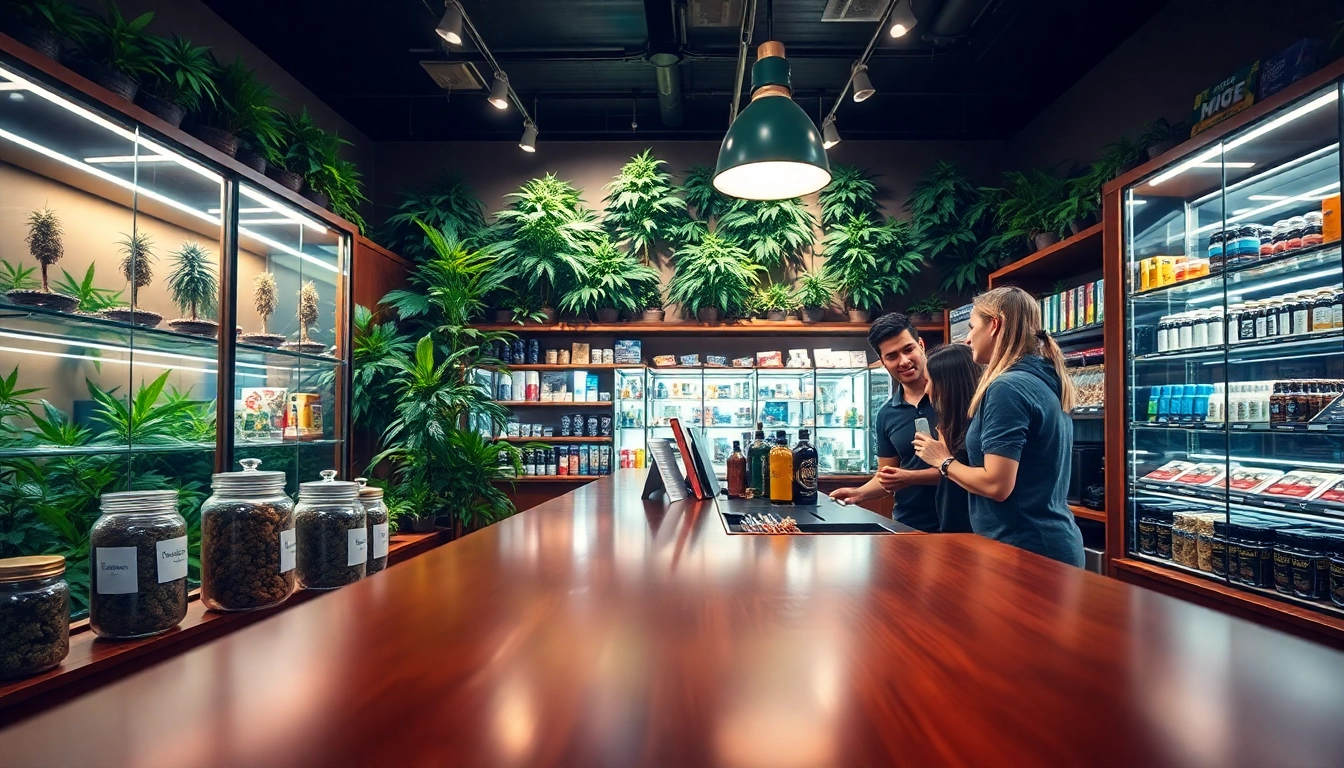
Understanding the Weed Store Landscape
The landscape of cannabis retail is rapidly evolving across the United States, particularly as regulations around recreational and medicinal use have loosened. As a result, understanding the intricacies of a Weed Store is essential for consumers who are navigating through this new marketplace. This article aims to provide in-depth insights into what constitutes a weed store, the regulations governing them, and how they differ from traditional dispensaries, among other crucial elements.
The Basics of a Weed Store
A weed store, also known as a cannabis dispensary, is a retail establishment that sells legal cannabis products, including flowers, edibles, tinctures, and accessories. These stores operate under state regulations that vary significantly from one jurisdiction to another. Typically, weed stores serve both medicinal and recreational users, offering a wide range of products suited for experienced connoisseurs as well as newcomers seeking relief from various ailments.
Key Regulations and Legal Considerations
Regulatory frameworks for weed stores differ state by state, based on local laws governing cannabis use. Key regulations may include licensing requirements, permissible product types, and sales restrictions. For instance, many states require dispensaries to be licensed, ensuring compliance with health and safety standards. Additionally, regulations often dictate the amount of cannabis a consumer can purchase at one time, as well as age restrictions for purchasing goods. It's vital for consumers to familiarize themselves with local laws to ensure compliance and to support local businesses adhering to these regulations.
Differentiating Between Dispensaries and Weed Stores
While the terms "dispensary" and "weed store" are often used interchangeably, there are nuanced differences. Dispensaries typically refer specifically to establishments licensed to sell cannabis—especially those catering to medical patients. In contrast, weed stores encompass a broader range of establishments that may include retail outlets for cannabis-related products and accessories. Understanding this distinction can help consumers identify the best type of establishment to meet their specific needs, ensuring they receive quality products and knowledgeable service.
What to Look for in a Weed Store
Identifying a reputable weed store can greatly enhance your shopping experience. Here are essential factors to evaluate.
Quality of Products and Brands
The quality of products available at a weed store can vary significantly. It is essential to look for stores that feature reputable brands and undergo rigorous quality control processes. High-quality cannabis products should be tested for potency and contaminants, and stores often provide lab results to validate this. Additionally, diversity in product offerings is a positive sign, as it indicates that the store caters to varying consumer preferences, from traditional flowers to innovative edibles and tinctures.
Knowledge and Experience of Staff
The expertise of the staff at a weed store plays a critical role in creating a satisfactory experience. Knowledgeable staff members can guide consumers through product selections based on their needs and preferences. They should be well-versed in the effects, uses, and recommended dosages of various cannabis products. An engaging staff that is willing to answer questions and provide recommendations demonstrates a commitment to customer service and consumer education.
Amenities and Environment of the Store
The overall environment of a weed store can significantly impact your shopping experience. Clean, well-organized stores with a welcoming atmosphere encourage consumers to explore and ask questions. Additionally, look for amenities such as product displays, information resources, and comfortable spaces to consult with staff. The ambiance, including decor, lighting, and layout, should reflect a professional and inviting environment that makes consumers feel comfortable.
Types of Products Available at Weed Stores
Understanding the range of products offered at a weed store can help consumers make informed purchasing decisions.
Flowers, Edibles, and Concentrates
Flowers typically refer to the dried cannabis buds that are most commonly consumed by smoking or vaping. These products come in various strains, each offering different cannabinoid profiles and effects. Edibles, on the other hand, are food products infused with cannabis extracts. They provide an alternative consumption method, appealing to those who prefer not to smoke. Concentrates include oils, waxes, and shatter that contain higher levels of THC or CBD and are often used in vaping or dabbing. Understanding the types of products available allows consumers to choose options that best suit their consumption preferences.
The Growing Trend of CBD Products
Cannabidiol (CBD) products have surged in popularity due to their therapeutic benefits without the psychoactive effects commonly associated with THC. Many weed stores now carry a comprehensive range of CBD products that include oils, capsules, topicals, and even beauty items. As consumers become more health-conscious and aware of the benefits of CBD, it's essential for weed stores to provide high-quality, lab-tested options, catering to the wellness market.
Accessories and Tools for Consumption
In addition to cannabis products, a well-stocked weed store often features a variety of accessories to enhance the consumption experience. These may include smoking devices like pipes and bongs, vaporizers, rolling papers, and storage containers. Stores should offer a selection of accessories that match the quality and sophistication of their cannabis products, serving to educate consumers about enhancing their experience.
Shopping Tips for First-Time Visitors to a Weed Store
If you're new to shopping at a weed store, there are several helpful tips to ensure a smooth and satisfying experience.
Preparing for Your Visit: What to Know
Before visiting a weed store, conduct some research to familiarize yourself with the product offerings and store layout. It can be beneficial to know what types of products you are interested in and any specific strains to ask about. Many stores also provide information on their websites, so check this ahead of time to make the most of your visit.
Questions to Ask the Staff
Don't hesitate to ask questions while at a weed store. Inquire about product origins, strain effects, recommended dosages, and potential interactions with any medications. The more you communicate with the staff, the better they can assist you in finding the products that best fit your needs.
Staying Within Your Budget While Shopping
Establish a budget before entering a weed store. Products can vary in price, and it’s easy to overspend, especially if you’re drawn in by innovative items. Being upfront with staff about your budget can help them recommend suitable products that won’t break the bank while still providing quality experiences.
Evaluating Your Experience at the Weed Store
After shopping at a weed store, gauging your experience can help inform future visits and choices.
Reviewing the Quality and Overall Satisfaction
Reflect on the quality of products you purchased. Did they meet your expectations in terms of taste and effect? Evaluating the products can provide insight into whether the store is worth revisiting. Additionally, consider the overall shopping experience and customer service received during your visit.
Revisiting and Building Relationships
Revisiting a weed store can be beneficial as it allows you to build a relationship with staff and offers a tailored shopping experience over time. Once staff become familiar with your preferences and needs, they can provide personalized recommendations, enhancing your shopping experience.
Providing Feedback for Continuous Improvement
Many weed stores appreciate customer feedback. Consider sharing your thoughts with the staff, whether positive or constructive. Providing input can help them refine their offerings and services, creating a more enjoyable atmosphere for all visitors in the future.