
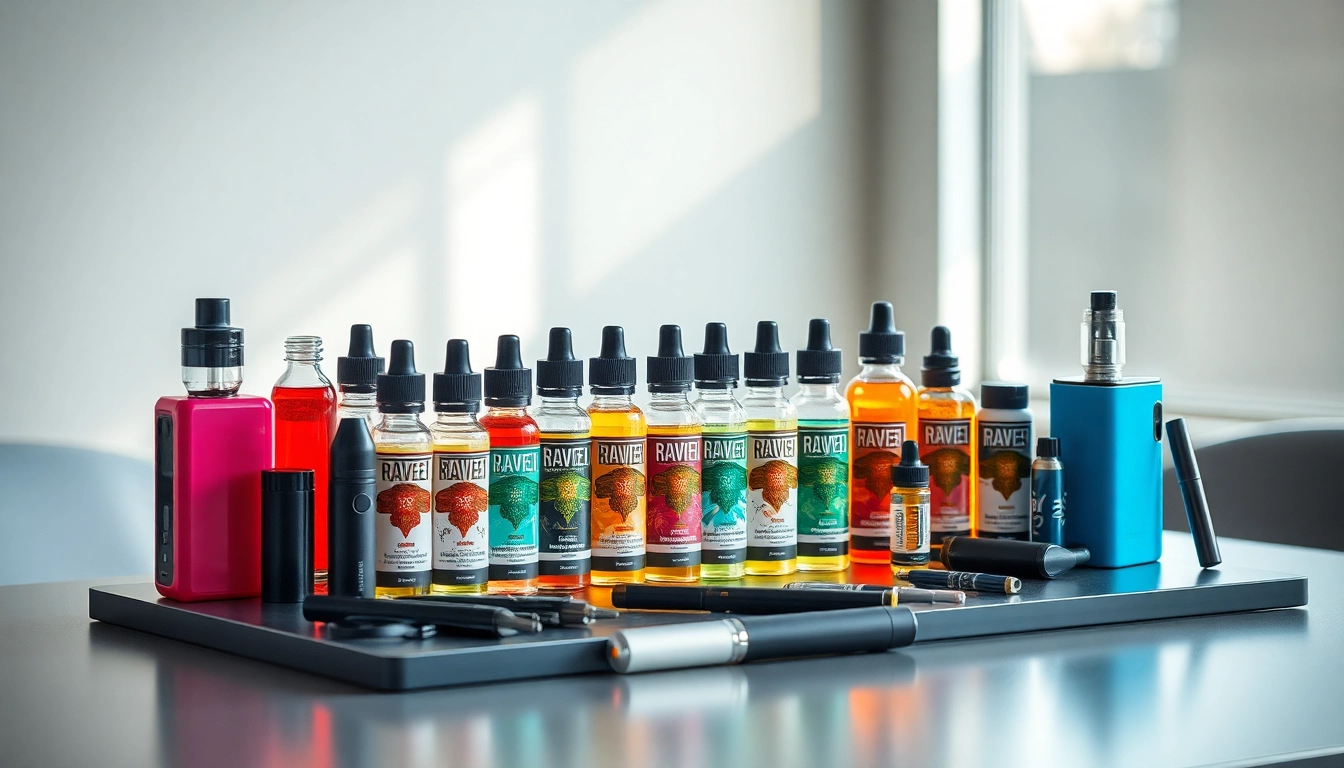
Understanding Vape & E-Liquids
The rise of vaping has become one of the most discussed trends in recent years. With a surge in popularity, many users are seeking a comprehensive understanding of Vape & E-Liquids to enhance their experiences. This article aims to educate readers about what vape and e-liquids are, how they function, the variety available in the market, and essential considerations for safe and satisfying use.
What Are Vape & E-Liquids?
Vape and e-liquids, commonly known as e-juices, are substances specifically formulated for vaporization in electronic cigarettes and vaping devices. Unlike traditional tobacco cigarettes, e-liquids do not burn any material but instead produce vapor through a heating process. These liquids typically consist of a mixture of vegetable glycerin (VG), propylene glycol (PG), flavorings, and optionally, nicotine.
Understanding the composition of vape liquids is critical for users who wish to avoid harmful ingredients found in regular tobacco products. By doing so, vapers can enjoy a non-combustible alternative that offers a wide variety of flavors and nicotine levels suited to their preferences.
The Components of Vape & E-Liquids
The back-end of every vape and e-liquid consists of several core components:
- Vegetable Glycerin (VG): A thick, sweet liquid that produces a significant amount of vapor. VG is known for its smoothness, making it ideal for sub-ohm vaping.
- Propylene Glycol (PG): A thinner liquid that is slightly more effective in delivering throat hit compared to VG. Many users prefer a balanced PG/VG ratio.
- Flavorings: Synthetic or natural additives that provide an extensive range of flavors, from fruits and desserts to menthols and beverages. Manufacturers often experiment with unique mixtures to create appealing options for vapers.
- Nicotine: An optional addictive component available in varying strengths. Users can choose nicotine levels according to their personal preference or opt for nicotine-free variants.
How Vape & E-Liquids Work
Vape and e-liquids operate through a relatively straightforward process: when users inhale through their vaping devices, the heating element, or coil, warms the liquid, causing it to vaporize. The vapor is then inhaled, delivering the flavor and nicotine (if present) to the user. This process not only minimizes harmful byproducts associated with combustion but also allows for varied customization options regarding flavor and nicotine levels.
Types of Vape & E-Liquids
The diversity in vape and e-liquids caters to a broad audience with varied preferences. Here, we explore the primary categories of vape and e-liquids available in the marketplace.
Nicotine-Based Vape & E-Liquids
Nicotine-based vape and e-liquids are specifically designed for users who seek to replicate the sensation of smoking traditional cigarettes. These liquids come in various strengths, enabling users to modify their intake. Common nicotine levels include 3mg, 6mg, 12mg, and 18mg per milliliter. New vapers may find themselves gravitating toward higher nicotine concentrations initially, whereas seasoned users may prefer lower strengths for a more subdued effect.
Nicotine-Free Vape & E-Liquids
For those looking to enjoy vaping without the effects of nicotine, nicotine-free vape and e-liquids are widely available. These options prioritize flavor experience without introducing the addictive component, catering to users who enjoy the ritual of vaping or those who have ceased nicotine consumption. Nicotine-free alternatives can also appeal to individuals who may be sensitive to nicotine, allowing them to enjoy the social aspects of vaping without adverse effects.
Flavor Profiles in Vape & E-Liquids
The flavoring in vape and e-liquids is one of the most critical factors influencing consumer choice. The market features an expansive range of flavor profiles, including:
- Fruity: Popular choices include strawberry, mango, and watermelon.
- Dessert Flavors: Options like vanilla custard, chocolate fudge brownie, and caramel cheesecake appeal to those with a sweet tooth.
- Beverage Flavors: Coffee, soda, and tea flavors cater to lovers of different drink experiences.
- Menthol and Mint: Providing a fresh and cooling sensation, these flavors are popular among ex-smokers.
The diversity of flavors enables vapers to tailor their experience according to mood and preference, making the vaping experience personal and enjoyable.
Selecting the Right Vape & E-Liquids
Choosing the perfect vape and e-liquids can be daunting given the vast selection available. To simplify this process, consider these factors when making your selection:
Factors to Consider When Choosing Vape & E-Liquids
To ensure a satisfying vape experience, users should evaluate several key factors when selecting e-liquids:
- Nicotine Strength: Beginners should consider their smoking history to choose an appropriate nicotine level. Users who previously smoked heavily may need higher strengths to satisfy cravings.
- VG/PG Ratio: Understanding the VG/PG ratio helps users identify the potential for cloud production and throat hit, allowing them to pick an option that aligns with their preferences.
- Flavor Preferences: Trying different flavors can enhance the vaping experience; many recommend starting with various samplers.
User Preferences and Flavor Selection
User preferences play a significant role in selecting the right flavor and nicotine level. Some users may favor robust flavors that mimic traditional smoking, while others might prefer sweeter or fruitier concoctions. By understanding individual taste profiles, vapers can select liquids that resonate with their preferences and enhance their overall enjoyment.
Understanding VG/PG Ratios
VG/PG ratios are essential to consider when selecting vape and e-liquids. A higher VG ratio (e.g., 70/30) typically means denser vapor and a smoother throat hit. A higher PG ratio (e.g., 50/50) leads to a more substantial throat hit and more intense flavor. Users should experiment with different ratios to find their ideal compromise between throat hit, flavor delivery, and vapor production.
Safety and Regulations for Vape & E-Liquids
As the vaping market continues to evolve, safety and regulation remain paramount. Proper understanding of the health implications and innovations in e-liquids ensures users can enjoy a fulfilling experience while remaining informed.
Health Considerations in Vaping
While vaping is marketed as a safer alternative to traditional smoking, it is not entirely devoid of health risks. Users must be aware of the potential impact on lung health and the risk associated with nicotine consumption. Research on the long-term effects of vaping is ongoing; however, many users report fewer respiratory problems compared to traditional smokers.
It's also crucial for users to ensure that the e-liquids they are using are free from harmful additives, such as diacetyl, which can be linked to serious health issues like "popcorn lung." Awareness of product quality is essential to ensure a safe vaping experience.
Regulatory Standards for Vape & E-Liquids
The regulatory landscape surrounding vape and e-liquids varies widely by region. Various health organizations and regulatory bodies are implementing guidelines to ensure that vaping products are safe for consumers. Users should familiarize themselves with local regulations to understand what is permissible and ensure they are purchasing compliant products.
Quality Assurance Practices
Quality assurance in the production of vape and e-liquids is critical. Manufacturers should implement rigorous testing protocols for their products, including lab testing for purity and efficacy. This not only guarantees that the products are safe but also helps build consumer confidence in purchasing decisions. Look for brands that openly share their testing results and ingredients.
Future Trends in Vape & E-Liquids
As the vaping landscape continues to develop, several trends are expected to shape the future of vape and e-liquids:
Innovation in Flavor Development
Innovation in flavor development has become a primary focus for manufacturers as they work to cater to the ever-changing preferences of consumers. The introduction of unique and complex flavor combinations, utilizing natural and organic ingredients, is likely to become more prevalent. Additionally, brands may experiment with seasonal flavors and limited editions to maintain consumer excitement.
Sustainability in Vape & E-Liquids Production
In response to the growing consumer demand for sustainability, manufacturers are exploring eco-friendly practices in the production of vape and e-liquids. This includes sourcing ingredients from sustainable suppliers, minimizing packaging waste, and adopting renewable energy sources during production. Sustainability considerations may become a significant factor influencing purchasing decisions in the future.
The Evolving Market Landscape
The vaping market is in a constant state of flux, driven by changing consumer preferences and regulatory pressures. As more individuals turn to vaping as an alternative to smoking, the range of available products continues to expand. The future might also see the introduction of more enhanced and technologically advanced vaping devices that provide improved user experiences.
In conclusion, as the world of vaping continues to expand and evolve, it's essential to understand the fundamentals surrounding Vape & E-Liquids. Whether you're a novice seeking guidance on selecting your first liquid or a seasoned vaper looking to delve into innovative flavors and technical nuances, knowing the ins and outs of the industry paves the path to a more enriching vaping experience.