
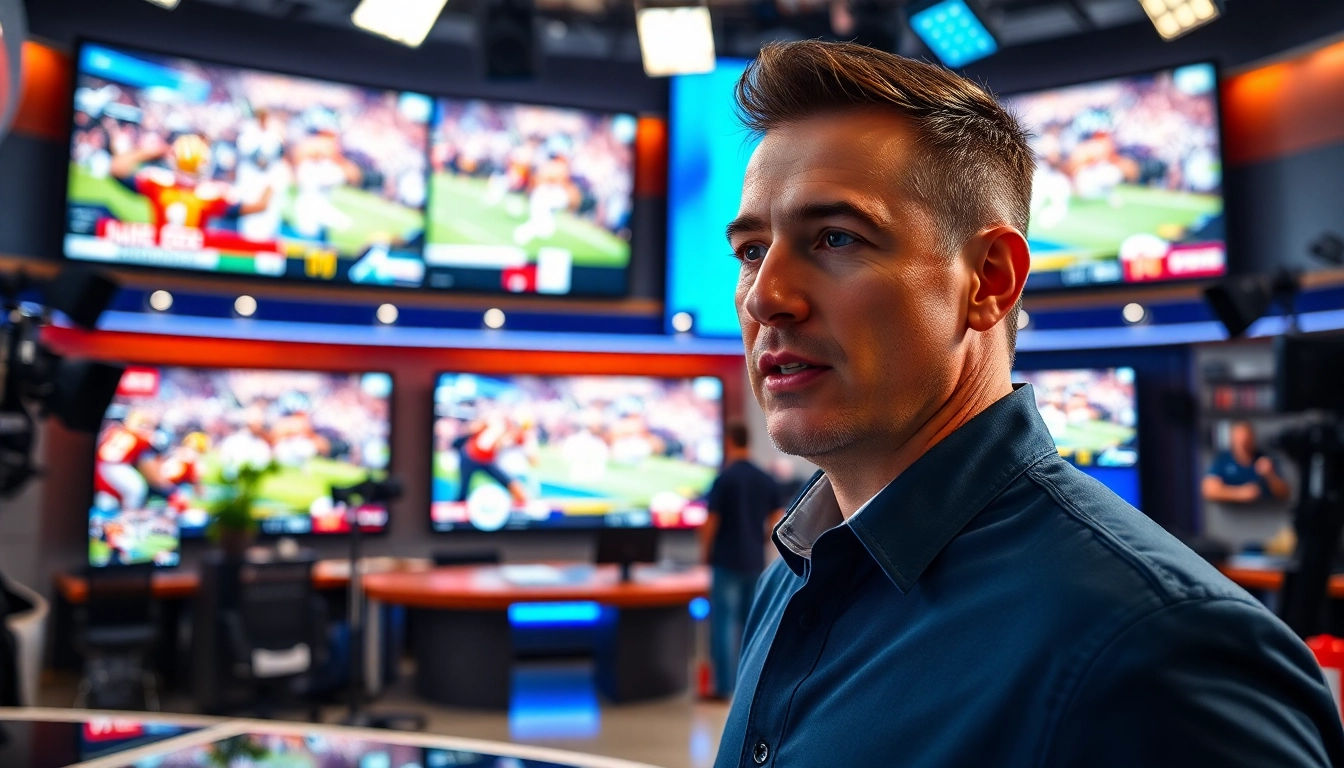
Understanding Sports Broadcasting
What is Sports Broadcasting?
Sports Broadcasting encompasses the transmission of sports events via various media channels, including television, radio, and digital platforms. The essence of this field lies in delivering real-time coverage of sporting events to audiences worldwide. As a discipline, it integrates storytelling, commentary, and analysis into an engaging presentation that enhances the viewer's experience. Today, Sports Broadcasting has evolved to incorporate advanced technology, providing fans with immersive experiences that go beyond mere scores and statistics.
History and Evolution of Sports Broadcasting
The roots of sports broadcasting can be traced back to the early 20th century, when radio broadcasts allowed fans to follow their favorite teams from afar. The first recorded sports broadcast occurred in 1921, featuring a boxing match. As technology progressed, television emerged as the dominant medium, revolutionizing how audiences consumed sports. The first televised sports event was the 1936 Olympic Games in Berlin, showcasing athletics to a broader viewer base and setting the stage for sports broadcasting's rapid growth.
By the latter half of the 20th century, networks began securing exclusive broadcasting rights to major leagues, establishing a framework for professional sports marketing. The advent of cable television further expanded sports programming, while the rise of the internet and streaming services represents the next critical chapter in this ongoing evolution.
Types of Sports Broadcasting
Sports broadcasting can be categorized into several types, each serving unique audience needs:
- Live Broadcasts: These provide real-time coverage of sporting events, featuring commentary and analysis as the action unfolds.
- Recorded Broadcasts: These shows often highlight past games, offering replays and in-depth analysis to audiences.
- Sports News: This genre provides updates on teams, players, and events, focusing on reporting and analysis.
- Documentaries and Features: These delve into the historical context and personal stories of athletes, offering deeper engagement.
- Webinars and Streaming Content: Platforms like YouTube and Twitch provide avenues for niche sports broadcasting and fan interaction.
Key Elements of Successful Sports Broadcasting
Effective Communication in Sports Broadcasting
A sports broadcaster's primary responsibility is to communicate effectively. This includes articulating play-by-play commentary and delivering insightful analysis while maintaining an engaging narrative. Using clear, concise language helps bridge the gap between casual viewers and passionate fans. Moreover, a broadcaster's tone should adapt to the event's stakes—enthusiasm for a thrilling match and gravitas for somber moments in sports history.
Technology and Equipment for Sports Broadcasting
The landscape of sports broadcasting is significantly shaped by the technology used. High-definition cameras, drone footage, and graphic overlays have transformed the viewing experience, allowing for sharper images and additional layers of information. Essential equipment includes:
- Cameras: Multi-camera setups are standard for live broadcasts, ensuring comprehensive coverage of the action.
- Audio Equipment: Microphones and soundboards capture commentary and crowd noise, enriching the viewer's experience.
- Graphics and Replay Systems: These tools provide insights and enable viewers to relive key moments in a game.
- Streaming Infrastructure: For digital broadcasts, strong internet connectivity and robust server support are essential.
Live vs. Recorded Sports Broadcasting
The choice between live and recorded broadcasting hinges on viewer preferences and the nature of the event. Live broadcasting captivates audiences with real-time excitement, while recorded formats allow for commentary, expert analysis, and carefully curated highlights. Broadcast professionals must master both styles to cater to evolving viewer demands.
Challenges in Sports Broadcasting
Dealing with Technical Difficulties
Technical difficulties are an unfortunate reality in sports broadcasting. Issues such as signal loss, equipment failure, or unexpected events can disrupt the flow of a broadcast. To mitigate these challenges, broadcasters should conduct thorough pre-broadcast checks and maintain backup systems for critical equipment. Effective training in troubleshooting techniques can also empower teams to address problems swiftly as they arise.
Keeping Audiences Engaged
In an age where audiences have endless entertainment options, keeping viewers engaged requires creativity and adaptability. Producers and broadcasters must curate compelling content, such as expert analyses, player interviews, and fan interaction segments, to maintain interest. Utilization of social media platforms also plays a crucial role in fostering real-time engagement with fans, providing a two-way street for communication.
Navigating Legal Regulations
Sports broadcasting must adhere to various legal regulations, including copyright laws, licensing agreements, and broadcasting rights. Navigating this complex landscape requires a thorough understanding of legal frameworks to ensure compliance. Broadcasters must secure appropriate rights and permissions before airing content and remain aware of changes in regulations that might affect broadcasting practices.
Best Practices for Aspiring Sports Broadcasters
Building Your Brand as a Sports Broadcaster
Developing a personal brand is crucial for success in sports broadcasting. Aspiring broadcasters should focus on showcasing their unique voice, perspective, and expertise. Utilizing platforms such as social media, podcasts, and video content can help to establish credibility. Networking with industry professionals and participating in events can also enhance visibility and create opportunities for growth.
Networking within the Sports Industry
Networking is vital for aspiring sports broadcasters, as building relationships within the industry opens doors to opportunities. Joining sports organizations, attending industry events, and engaging in online forums can help aspiring broadcasters connect with influencers and other professionals. A proactive approach to networking encourages collaboration and enhances professional visibility.
Continuous Learning and Improvement
The sports broadcasting landscape continually evolves with new trends, technologies, and audience preferences. Aspiring broadcasters should commit to continuous learning and improvement, whether through workshops, mentorships, or online courses. Staying updated with industry changes and gaining insights from experienced professionals will help enhance skills and increase employability in a competitive field.
Future Trends in Sports Broadcasting
Impact of Streaming Services on Sports Broadcasting
The emergence of streaming services has transformed the sports broadcasting landscape, offering viewers unprecedented access to content. Consumers now expect flexibility in viewing options, leading to the rise of subscription-based services that deliver live sports programming. This shift necessitates traditional broadcasters to adapt their strategies, developing comprehensive online platforms that cater to a growing audience interested in on-demand sports content.
Emerging Technologies Shaping Sports Broadcasting
As technology advances, several emerging technologies are profoundly influencing sports broadcasting. Virtual reality (VR) and augmented reality (AR) offer viewers immersive experiences that enhance fan engagement. Additionally, 5G technology is set to revolutionize live broadcasting, providing higher bandwidth for streaming and enabling innovative applications, such as interactive broadcasts and comprehensive data overlays.
Audience Interaction and Engagement Strategies
The future of sports broadcasting will heavily center on audience interaction. Broadcasters are increasingly adopting multi-platform strategies, enabling fans to engage through social media, mobile applications, and on-screen features. Implementing polls, Q&A sessions, and fan-driven content empowers viewers, fostering a sense of community and enhancing their overall experience.
Frequently Asked Questions
What qualifications do I need to become a sports broadcaster?
While formal degrees in journalism or communications can help, practical experience through internships or volunteering at local stations is invaluable. Building a strong portfolio will also enhance job prospects.
What skills are essential for sports broadcasters?
Essential skills include effective communication, strong analytical abilities, adaptability, and a deep knowledge of various sports. Technical proficiency in broadcasting equipment is also important.
How do I get viewers to engage with my sports content?
Encourage audience interaction through social media, live polls, and chat features during broadcasts. Engaging storytelling and audience-driven content can also enhance viewer participation.
What is the role of social media in sports broadcasting?
Social media plays a crucial role in sports broadcasting by enabling real-time audience interaction, sharing highlights, and creating a sense of community among fans. It can significantly expand the reach of broadcasts.
What future technologies will impact sports broadcasting?
Emerging technologies such as virtual reality, augmented reality, and 5G are set to redefine sports broadcasting, providing immersive experiences and enhanced viewer interactivity.