
Understanding CBD: An Overview
What is CBD?
Cannabidiol, commonly known as CBD, is a naturally occurring compound found in the resinous flowers of cannabis and hemp plants. Unlike its well-known counterpart THC (tetrahydrocannabinol), CBD does not induce psychoactive effects, meaning it does not produce a "high." This characteristic has propelled CBD into the spotlight as a potential therapeutic agent. CBD can be consumed in various forms, including oils, tinctures, edibles, and topicals, enhancing its accessibility to consumers seeking natural solutions for health and wellness. To explore various CBD products, you may visit CBD.
The History of CBD
The history of CBD stretches back thousands of years, with the earliest recorded use of cannabis for medicinal purposes in ancient China. Historical texts suggest that Chinese Emperor Shen Nong used cannabis extracts for treating various ailments. In the 20th century, CBD remained largely overlooked due to the stigmatization of cannabis. However, a resurgence of interest in CBD began in the 1990s, catalyzed by scientific breakthroughs that unveiled its potential health benefits and therapeutic uses. Over the past two decades, CBD has undergone a significant evolution from a neglected component of cannabis to a leading alternative therapy embraced by millions worldwide.
How CBD Works in the Body
CBD interacts with the body's endocannabinoid system (ECS), a complex network of receptors, enzymes, and endocannabinoids that play a role in maintaining homeostasis. The ECS is involved in a multitude of physiological processes, including pain sensation, mood regulation, immune response, and sleep patterns. CBD primarily binds to two types of receptors in the ECS: CB1 receptors, primarily found in the brain and central nervous system, and CB2 receptors, mainly located in the peripheral nervous system and immune cells. By influencing these receptors, CBD may assist in promoting balance and alleviating distressing symptoms linked to various health issues.
Health Benefits of CBD
CBD for Anxiety and Stress Relief
One of the most researched health benefits of CBD is its ability to help alleviate anxiety. Multiple studies have indicated that CBD may reduce anxiety levels by affecting the brain's receptors for serotonin, a neurotransmitter that plays a crucial role in mood regulation. For example, a study found that participants who took CBD showed a significant reduction in social anxiety during a public speaking test compared to those who received a placebo. Furthermore, CBD’s anxiolytic effects can lead to improved stress management, better mood stability, and a greater sense of calm.
Potential Pain Management Solutions with CBD
Chronic pain is a persistent issue that affects millions of individuals globally, and CBD may provide a natural alternative to traditional pain relief methods. Research suggests that CBD can alleviate various types of pain, including neuropathic pain, arthritis, and inflammatory pain. By interacting with CB1 and CB2 receptors in the ECS, CBD may modulate pain perception and inflammation. Case studies and anecdotal evidence from CBD users imply that it may reduce discomfort and improve mobility for those suffering from chronic conditions such as fibromyalgia and multiple sclerosis.
CBD's Role in Improving Sleep Quality
Sleep disorders are prevalent in modern society, with many people struggling to achieve quality restorative sleep. CBD has shown promise in promoting better sleep quality by addressing common factors that disrupt sleep, such as anxiety and pain. Studies indicate that CBD can increase total sleep duration and enhance sleep quality through its effects on the ECS. Moreover, CBD may help reduce REM sleep behavior disorder, aiding not only those with insomnia but also individuals suffering from conditions like PTSD that can lead to frequent awakenings. By fostering a restful night's sleep, CBD may promote overall health and well-being.
Forms of CBD Products
Exploring CBD Oils and Tinctures
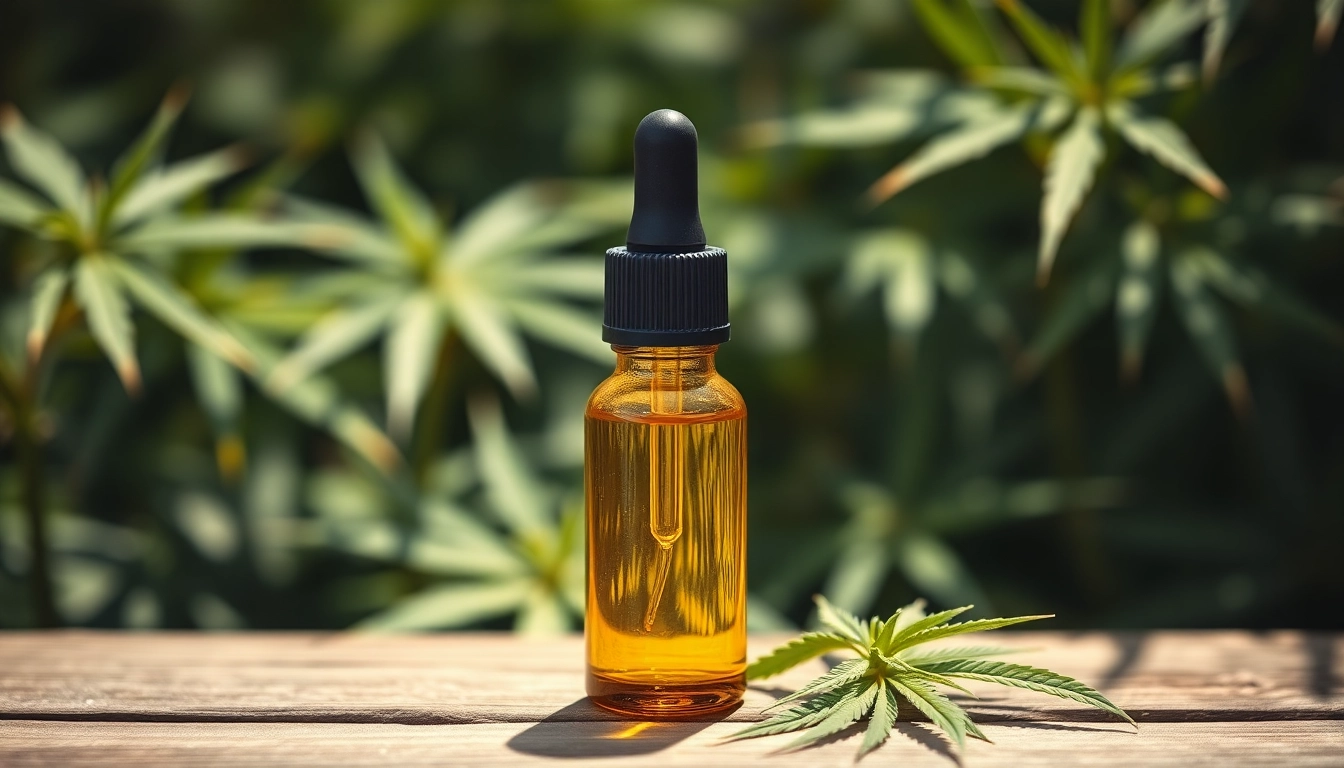
CBD oils and tinctures are among the most popular ways to consume CBD. They offer flexibility in dosage and can be taken sublingually for rapid absorption. CBD oil is typically obtained through the extraction of cannabinoids from the hemp plant using CO2 or other solvents, while tinctures may include alcohol as a preserving agent. Such products come in various concentrations, allowing users to tailor their dosage according to their specific needs.
CBD Edibles: Gummies and More
CBD edibles, particularly gummies, have gained widespread popularity due to their convenience and enjoyable flavors. These products offer a discreet way to consume CBD, making them an appealing option for those hesitant to use oils or tinctures. Each edible contains a predetermined dose of CBD, which can simplify the monitoring of intake. While gummies are the most recognizable, CBD can also be infused into beverages, chocolates, and snacks, broadening the range of options for consumers looking to incorporate CBD into their daily routine.
Topical CBD Products and Their Uses
Topical CBD products, including creams, balms, and lotions, are specifically designed for external application. They allow targeted relief for localized areas of discomfort, such as sore muscles and joint pain. When applied to the skin, CBD interacts with cannabinoid receptors in the dermis without entering the bloodstream. This makes topical applications particularly appealing for individuals seeking localized relief from inflammation, skin conditions, and muscle soreness. The versatility of topical products also extends to personal care, with CBD-infused cosmetics emerging in the market as well.
Choosing the Right CBD Product
Factors to Consider When Selecting CBD
When navigating the vast world of CBD, consumers must consider various factors before selecting the right product. First, the source of the CBD is crucial; choosing products derived from organic hemp ensures higher quality without harmful pesticides or chemicals. Additionally, it's vital to verify the concentration of CBD in the product, as this can greatly influence its effectiveness. Finally, understanding personal needs and preferences, such as the desired method of consumption and potential side effects, can guide selections that best fit individual lifestyles.
Reading Labels and Understanding Dosages
Reading product labels is essential for making informed decisions about CBD usage. Labels should indicate the concentration of CBD per serving, ingredient lists, and any additional compounds included. Familiarity with common terms like "full-spectrum," "broad-spectrum," and "CBD isolate" can further enhance understanding. Dosages can vary significantly based on individual tolerance levels, body weight, and health conditions, so starting with a low dose and gradually increasing it as needed is often recommended to assess personal response.
The Importance of Third-Party Testing for CBD Quality
Quality assurance is paramount in the CBD industry. Third-party testing serves as a reliable means of verifying the safety, potency, and purity of CBD products. Reputable manufacturers will provide access to lab results that confirm the absence of harmful contaminants, such as heavy metals, solvents, and pesticides. Consumers should seek out brands that prioritize transparency through third-party testing, ensuring they receive high-quality products that meet industry standards.
Current Research and Future Trends in CBD
Latest Studies on CBD Benefits
Ongoing research into the benefits of CBD continues to yield promising results across various health domains. Recent studies have explored CBD's potential roles in treating epilepsy, promoting cardiovascular health, and even aiding in substance use disorders. These findings may pave the way for broader applications in clinical settings, changing the landscape of treatment options available for various health conditions.
The Evolving Legal Landscape of CBD
As CBD grows in popularity, its legal status has evolved, leading to significant changes in legislation. While the 2018 Farm Bill legalized the production of CBD derived from hemp at the federal level, state laws vary widely, creating a complex legal landscape for consumers and businesses alike. Individuals interested in using CBD should stay informed about local regulations, which may affect product availability and quality control measures.
What the Future Holds for CBD in Health and Wellness
The future of CBD in health and wellness looks bright, with expanded research, legislation, and market growth poised to support its integration into mainstream healthcare. As awareness of CBD's benefits continues to rise, it may increasingly find its place alongside traditional therapies within medical settings. The potential for innovation within the product range, such as advancements in delivery methods and formulations, is likely to enhance consumer experiences, making CBD a staple in holistic health practices moving forward.