
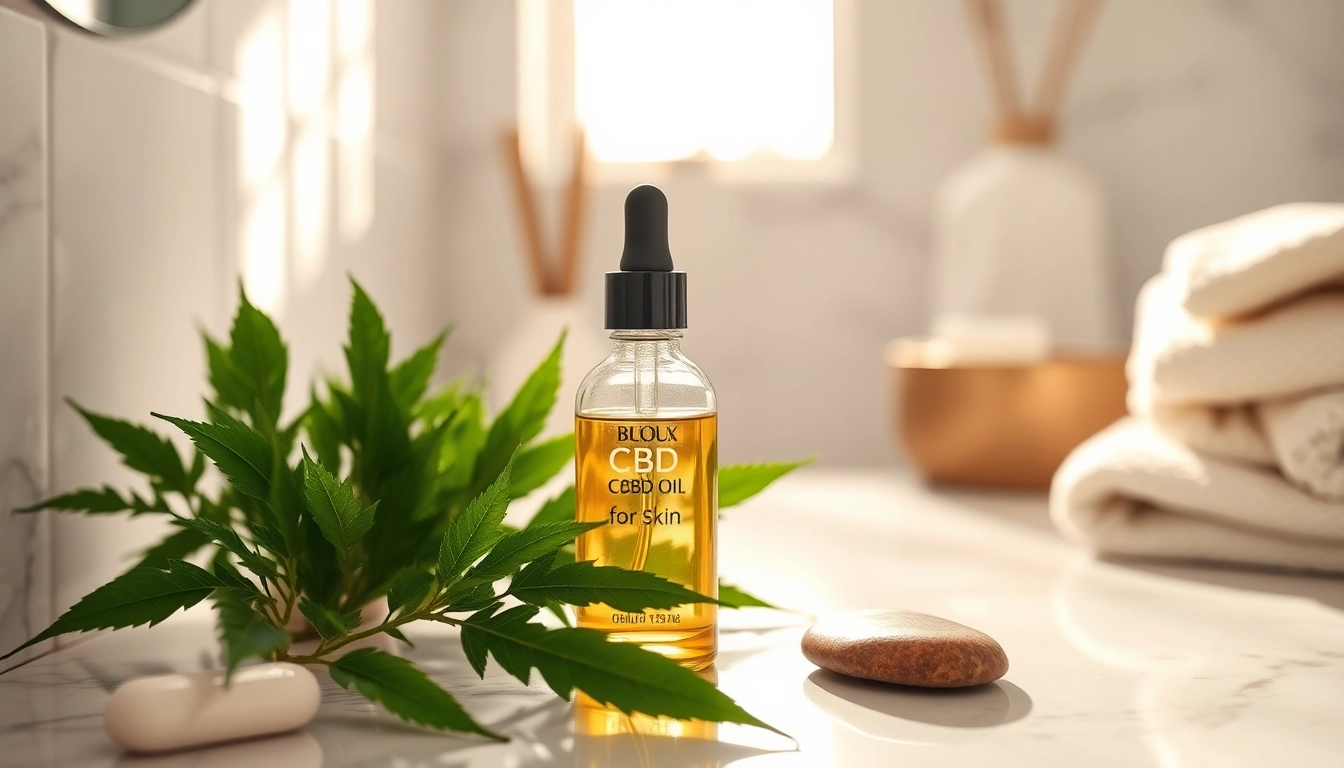
Understanding CBD Oil for Skin Health
What is CBD Oil?
Cannabidiol (CBD) oil is a natural extract derived from the hemp plant, a member of the cannabis family. Unlike its more famous cousin, tetrahydrocannabinol (THC), CBD does not produce any psychoactive effects. Instead, it is renowned for its potential therapeutic benefits, chiefly due to its interaction with the body’s endocannabinoid system. This system plays a crucial role in regulating various physiological processes, including pain management, immune response, and general skin health.
The extraction process may vary, but the most common methods include CO2 extraction and solvent extraction, which yield pure and potent CBD oil. Both methods ensure that consumers receive high-quality CBD oil that retains its beneficial properties. With a growing focus on holistic health, CBD oil has made its way into various wellness and beauty products. CBD oil for skin is one of the most popular applications of this versatile compound, attracting attention for its numerous dermatological benefits.
How CBD Oil Works on the Skin
The skin possesses cannabinoid receptors, primarily CB1 and CB2, which are part of the endocannabinoid system. When CBD oil is applied topically, it interacts with these receptors, influencing skin conditions by modulating oil production, reducing inflammation, and promoting hydration. This mechanism delivers several therapeutic advantages, allowing CBD oil to address various skin issues effectively.
Moreover, CBD contains potent antioxidants that help combat oxidative stress caused by environmental pollutants. By mitigating cellular damage, CBD oil supports skin repair and health. Additionally, its anti-inflammatory properties can ease symptoms associated with conditions such as psoriasis and eczema, making it a promising option for individuals seeking natural remedies for their skin woes.
Common Skin Conditions Treated with CBD Oil
Several skin conditions can benefit from the incorporation of CBD oil in treatment regimens. Among the most prevalent are:
- Acne: Research indicates that CBD can inhibit the production of sebum in the skin, which is often a contributing factor to acne outbreaks.
- Eczema: CBD’s anti-inflammatory properties can alleviate itchiness and reduce redness associated with eczema flare-ups.
- Psoriasis: By slowing down the rapid skin cell growth associated with psoriasis, CBD oil can help manage the condition effectively.
- Rosacea: The soothing properties of CBD can reduce the inflammation and redness linked with rosacea, providing a gentle solution for those affected.
- Dry Skin: CBD oil serves as an excellent moisturizer, helping to retain skin moisture and improve texture.
Benefits of CBD Oil for Skin
Anti-Inflammatory Properties
The anti-inflammatory potential of CBD oil is one of its most valued characteristics. This attribute can significantly benefit individuals suffering from chronic skin conditions or irritating skin issues. By reducing inflammation, CBD oil can contribute to the lessening of bothersome symptoms such as redness, swelling, and discomfort.
In controlled studies, CBD has shown promise in alleviating the inflammatory responses associated with various dermatological conditions. This benefit is particularly notable for acne and eczema sufferers, as inflammation plays a leading role in symptom exacerbation. Furthermore, incorporating CBD oil into topical products enhances their overall efficacy by allowing for quicker and more pronounced effects on the skin.
Hydration and Moisturization
Moisturized skin is fundamental to maintaining its health and vitality. CBD oil is rich in essential fatty acids, which are pivotal in maintaining the skin's natural moisture barrier. This barrier prevents transepidermal water loss (TEWL), ensuring the skin retains its hydration.
By applying CBD oil, individuals can enjoy enhanced hydration, making it an ideal choice for those with dry or combination skin. The oil also penetrates the skin without clogging pores, making it suitable for various skin types, including sensitive and acne-prone skin. Many users report softer skin and improved elasticity after regular use, indicating CBD oil’s effectiveness as a moisturizer.
Potential Anti-Acne Effects
Acne is a prevalent skin condition that often arises from several factors, including excess sebum production, bacteria, and inflammation. CBD oil's unique properties allow it to address these core issues effectively. By regulating sebum production, CBD helps mitigate one of the primary causes of acne formation.
Additionally, its antibacterial effects can help combat the bacteria that contribute to acne breakouts. Unlike traditional acne treatments that may dry out the skin or cause irritation, CBD oil is nurturing, making it an appealing alternative for individuals seeking a gentler approach to acne management.
How to Incorporate CBD Oil into Your Skincare Routine
Best Types of CBD Oil for Skin
When incorporating CBD oil into a skincare routine, selecting the right form is crucial for maximizing benefits. There are several types of CBD oil specifically formulated for topical application:
- Full-Spectrum CBD Oil: This type contains all cannabinoids found in the hemp plant, including traces of THC. Many users prefer full-spectrum products for the entourage effect, where different cannabinoid compounds work synergistically to enhance overall efficacy.
- Broad-Spectrum CBD Oil: Similar to full-spectrum, but without any THC. It provides the benefits of multiple cannabinoids while remaining THC-free, making it a suitable choice for individuals with sensitivities.
- CBD Isolate: This form contains pure CBD without any additional cannabinoids or terpenes. It is a great option for users seeking a concentrated dose of CBD without any psychoactive effects.
Application Techniques and Tips
To achieve the best results from CBD oil, proper application techniques are essential:
- Cleanse First: Always begin with a clean face to ensure that your skin absorbs the oil effectively. Use a gentle cleanser suitable for your skin type.
- Use a Toner: Apply a hydrating toner after cleansing to prepare your skin for the oil and enhance absorption.
- Massage Gently: Apply a few drops of CBD oil to your fingertips and gently massage it into the skin using circular motions. This not only aids absorption but also promotes relaxation.
- Layer with Moisturizer: After applying CBD oil, follow up with a suitable moisturizer to lock in the hydration and additional benefits.
Recommended Dosage and Frequency
The recommended dosage of CBD oil can vary based on individual skin types and conditions. As a general guideline:
- Start with 1-2 drops applied once a day to test skin tolerance.
- If well-tolerated, gradually increase to twice daily.
- For managing specific skin conditions, consider increasing the dosage or frequency, but always consult a healthcare professional for guidance.
Evaluating CBD Oil Products for Skin
Choosing Quality CBD Oil for Skin
The market is flooded with CBD oil products, but ensuring quality is paramount for effective results. Here are some tips for choosing superior CBD oil:
- Source of Hemp: Always choose products that source hemp from reputable farms, preferably USDA-certified organic. This ensures the absence of harmful pesticides and chemicals.
- Third-Party Testing: Verify that the product has been tested by an independent lab to confirm purity and potency. Transparent companies will provide a Certificate of Analysis (COA) for consumers.
- Extraction Method: Opt for products utilizing CO2 extraction, as it is the safest and most efficient method for extracting CBD oil.
Understanding Product Labels and Ingredients
To make informed choices, being able to read product labels is vital. Here are key components to look for:
- Concentration of CBD: Check the CBD concentration per application to gauge potency effectively.
- Additional Ingredients: Review for any potential allergens or irritating additives, ensuring that the formulation complements your skincare needs.
- Expiration Dates: Always check for expiration dates to ensure product freshness and efficacy.
Recognizing Potential Side Effects
While CBD oil is generally well-tolerated, some individuals may experience mild side effects. Common side effects may include:
- Skin irritation or allergy.
- Dryness or tightness following application.
- Fatigue or drowsiness in sensitive individuals.
It is crucial to perform a patch test prior to widespread application, especially for individuals with sensitive skin or known allergies. If adverse reactions occur, discontinue use and consult a healthcare provider.
Future of CBD Oil in Skincare
Emerging Research on CBD for Skin Treatments
The body of research surrounding CBD and its therapeutic potentials is steadily expanding. Upcoming studies are delving deeper into the efficacy of CBD for various skin conditions, with promising findings already suggesting its role in wound healing, itch relief, and even skin cancer treatment. As scientific understanding advances, it is anticipated that more innovative dermatological applications of CBD will emerge to cater to specific skin concerns.
Consumer Trends and Market Growth
The consumer market for CBD skincare is witnessing rapid growth, driven by an increasing inclination towards natural and holistic products. Many individuals are opting for CBD-infused skincare solutions in place of traditional options laden with synthetic chemicals. This shift towards clean beauty products reflects a broader movement focusing on health, sustainability, and ethical sourcing.
Innovative Products on the Horizon
The skincare industry is witnessing innovation with the incorporation of CBD into various formulations. Expectations are set for a variety of products tailored for diverse skin types and conditions, including CBD-infused serums, creams, masks, and even makeup. As companies continue to explore the benefits of CBD, consumers can anticipate a plethora of options designed for enhanced efficacy and improved user experience.