
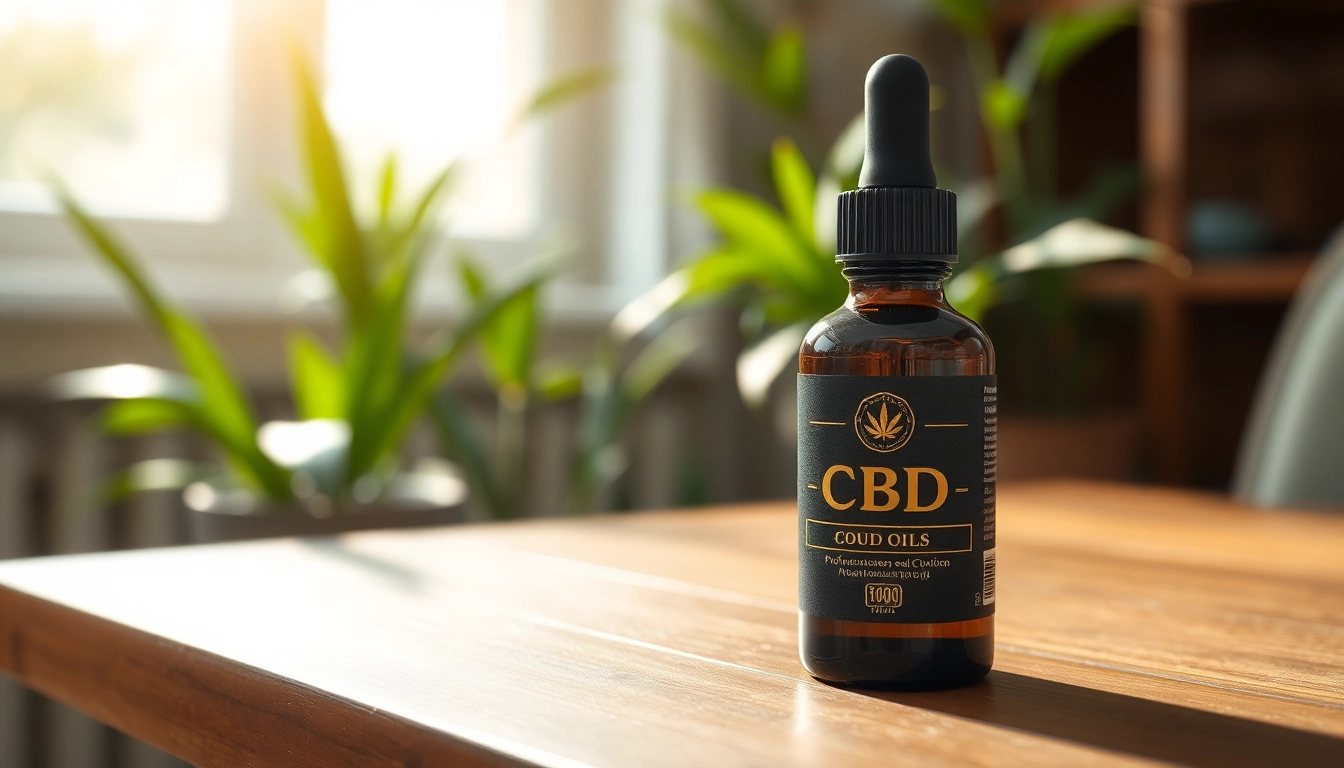
Understanding CBD Oil: What It Is and How It Works
What Is CBD Oil?
Cannabidiol, commonly referred to as CBD, is a natural compound extracted from the cannabis plant. Unlike its more famous counterpart, tetrahydrocannabinol (THC), CBD does not induce a psychoactive effect, meaning it does not create a "high." This attribute has made CBD particularly appealing to users seeking the therapeutic benefits of cannabis without intoxication. The extraction process from hemp plants involves using various methods to produce pure CBD Oil, which can then be consumed in several forms, including tinctures, capsules, edibles, and topicals. As consumers become more aware of its potential health benefits, CBD Oil has rapidly gained popularity in wellness and healthcare sectors. For more insights into CBD Oil, you can visit CBD Oil.
The Science Behind CBD Oil and Cannabinoids
The cannabis plant is known to contain over 100 cannabinoids, each with its unique properties and effects. Among these, CBD and THC are the most studied. While THC binds directly to cannabinoid receptors in the brain's endocannabinoid system (ECS), CBD exhibits a more indirect interaction, enhancing the ECS's natural functioning. This system plays a crucial role in regulating various bodily functions, including mood, pain perception, and immune response. Understanding how cannabinoids interact with the ECS is essential for grasping the potential health applications of CBD Oil.
Understanding Cannabidiol's Role in the Body
Cannabidiol does not work alone; it interacts with a complex network of receptors known as the endocannabinoid system. This system regulates vital processes such as sleep, appetite, pain, and immune system responses. Research suggests that CBD may enhance the body’s ability to produce its natural cannabinoids, promoting homeostasis. This balance is critical for optimal health. Additionally, CBD's non-psychotropic nature allows for a versatile use, making it ideal for therapeutic applications across a broad range of health issues.
The Health Benefits of CBD Oil
CBD Oil for Pain Relief: What Research Says
One of the most recognized benefits of CBD Oil is its ability to alleviate pain. Studies indicate that CBD may affect how the brain and the immune system respond to pain. In various studies, individuals with chronic pain have reported significant improvements in their condition when using CBD Oil. It is thought that CBD helps reduce inflammation, a significant contributor to many pain types, including arthritis, fibromyalgia, and multiple sclerosis. Extensive reviews of the literature suggest a strong potential for CBD Oil as part of a comprehensive pain management strategy.
Using CBD Oil to Combat Anxiety and Stress
Anxiety disorders are among the most common mental health issues faced by individuals today. Research has shown that CBD Oil may help reduce feelings of anxiety and stress. In clinical trials, participants administering CBD reported lower anxiety levels when subjected to public speaking scenarios, a common trigger for anxiety. While the exact mechanisms remain under investigation, it is believed that CBD may help regulate serotonin levels in the brain, contributing to improved mood and decreased anxiety. This makes CBD Oil a significant consideration for those seeking alternative or adjunct therapies for anxiety management.
Potential Anti-Inflammatory Properties of CBD Oil
CBD Oil is also studied for its anti-inflammatory properties. Chronic inflammation can lead to various diseases, including heart disease, diabetes, and cancer. Early research indicates that CBD may inhibit the release of inflammatory cytokines and reduce oxidative stress, both of which are essential in managing inflammatory conditions. Consequently, CBD Oil could offer a therapeutic avenue for treating inflammatory diseases, providing relief for patients suffering from ailments like Crohn's disease or rheumatoid arthritis.
How to Choose the Right CBD Oil for You
Types of CBD Oil: Full-Spectrum vs. Broad-Spectrum
When selecting a CBD Oil, it's essential to understand the different types available. Full-spectrum CBD Oil contains all cannabinoids found in the cannabis plant, including a small amount of THC. This combination can result in an "entourage effect," where the therapeutic effects of all compounds work synergistically. In contrast, broad-spectrum CBD Oil contains a variety of cannabinoids but no THC, making it suitable for individuals concerned about THC consumption. Understanding these differences helps consumers make informed decisions based on their needs and lifestyle.
Understanding CBD Oil Concentrations and Potency
Another crucial factor is the concentration and potency of CBD Oil. Products can vary greatly in CBD content, often listed as milligrams per bottle or serving. Beginners should start with lower concentrations to assess tolerance before gradually increasing their dosage. It is vital to understand that higher concentration does not necessarily equate to greater effectiveness; personalized responses to CBD vary widely among individuals. Identifying the correct potency is essential for achieving desired health outcomes.
Evaluating Brand Transparency and Product Quality
Selection goes beyond just potency; evaluating the brand's transparency and product quality is crucial. Look for companies that provide lab results verifying the potency and purity of their products. Reputable brands will offer Certificates of Analysis (COAs) for their products that indicate testing for pesticides, heavy metals, and other contaminants. Transparency builds trust and ensures consumers are using safe, high-quality products.
How to Use CBD Oil Effectively
Different Methods of Consumption for CBD Oil
CBD Oil can be consumed in various ways, each with its distinct advantages. Tinctures and sublingual oils are popular for their quick absorption rates, as they are absorbed directly through the mucous membranes in the mouth. Edibles and capsules provide a convenient and discreet method, though the onset of effects may take longer as they pass through the digestive system. Vaping is another method that allows for rapid effects but may carry its own health considerations. Choose a method that aligns with your lifestyle and preferences for optimal use.
Recommended Dosage Guidelines for Beginners
Determining the correct dosage of CBD Oil can be challenging, especially for beginners. A common recommendation is to start low and go slow, beginning with a dose of around 5-10 mg of CBD per day. From there, gradually increase the dose every few days until the desired effects are achieved. Keeping a journal can help track the dosage, effects, and any side effects experienced. It is crucial to consult with a healthcare professional experienced in cannabinoid use to establish a plan tailored to individual health needs.
Tips for Incorporating CBD Oil into Your Routine
Incorporating CBD Oil into your daily regimen can maximize its benefits. Establishing a routine will help remember daily doses. Consistency is vital to experiencing the full effects of CBD. Additionally, pairing CBD Oil with healthy lifestyle choices, such as diet and exercise, could enhance your overall wellness. If you are using CBD Oil for specific conditions, consider integrating it into your treatment plan holistically—combining therapies may provide enhanced results.
Addressing Common Concerns and Myths about CBD Oil
Safety and Side Effects of CBD Oil
CBD Oil is generally considered safe for most people, and its side effects are typically mild, including drowsiness, dry mouth, and changes in appetite. It is important for users to monitor their reactions and consult healthcare providers, especially if they take other medications. Research is ongoing to better understand the long-term safety of CBD, but currently available evidence supports its safety compared to many prescription medications.
Is CBD Oil Addictive or Impairing?
A common concern surrounding CBD Oil is the fear of addiction or impairment. Research indicates that CBD is not addictive and does not produce the intoxicating effects associated with THC. In fact, it may serve to mitigate cravings and withdrawal symptoms associated with addictive substances. As CBD not only lacks psychoactive effects but may also promote balance and improvement in mental health, it positions itself as a non-threatening option for users.
FAQs: Misunderstandings about CBD Oil
There are many misconceptions about CBD Oil, ranging from its legality to its effects. It's essential to educate oneself on the facts, breaking down false beliefs regarding hemp-derived products. For instance, CBD derived from hemp containing less than 0.3% THC is legal in many areas, though regional laws vary. Staying informed and proactive in seeking accurate information will empower users, allowing for informed choices in their CBD journey.